
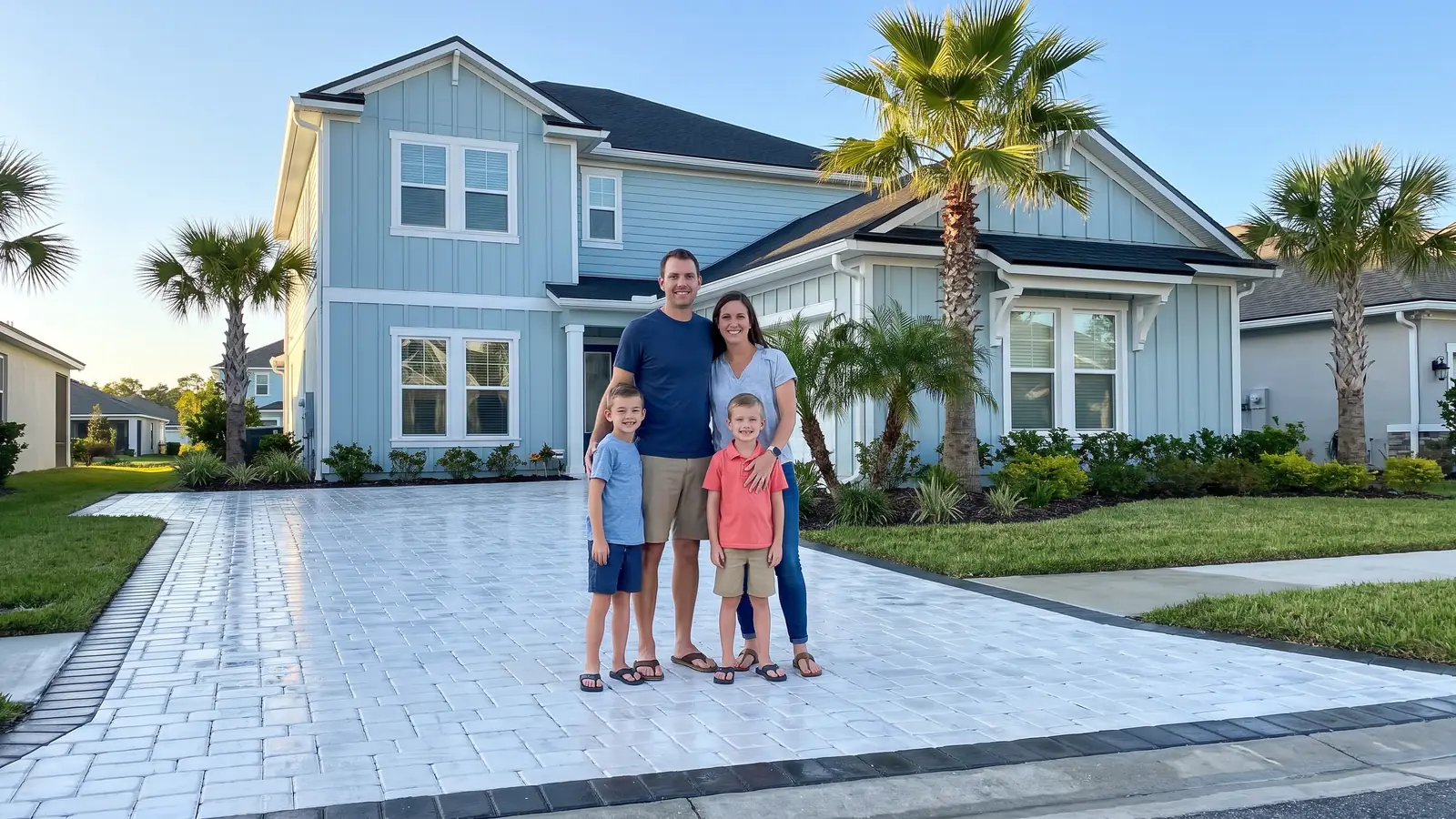
Paver sealing for St. Augustine homes
Paver Sealing in St. Augustine, FL
King tides and summer storms leave silt on St. Augustine pavers, so call (904) 747-6756 for a free sealing estimate.
- Brings out deeper paver color
- Fresh joint sand helps lock pavers in place
- Gives weeds less room to grow
- Makes the surface easier to keep clean
- Free estimate, no obligation
Request a Free Estimate
Free, no obligation.
Fast, careful paver sealing in St. Augustine
Homeowners in St. Augustine can book paver sealing with a free estimate, from the north city streets off San Marco Avenue to the neighborhoods west of downtown. The cleaning, the fresh joint sand and the sealer are all handled by a local contractor. Ask for a price and you will hear back within 1 business day, usually much sooner, so request your free estimate today.
After a king tide or a soaking storm, pavers here can look muddy, with sand gone from the gaps and weeds in the cracks. Once they are washed, packed with fresh sand and sealed, the courtyard looks tidy again for seasons to come. Call (904) 747-6756 and tell the contractor what the last high water left behind.
Why hire a local paver sealing contractor in St. Augustine?
St. Augustine mixes historic districts, tidal creeks and old stone, and each one changes how a paver job should go. Owners here tend to choose someone who knows the city, so call (904) 747-6756 and ask about your street.
A free look first
A contractor visits your St. Augustine home and checks the pavers before naming a price, with no charge for the visit.
The published range
St. Augustine bids can be held to the regional $1.75 to $3.25 per square foot for a full clean, sand and seal.
The right coat for stone
Coquina and travertine take a penetrating finish that lets stone breathe. Concrete pavers can take matte or a wet look.
You set the pace
You decide the date, the finish and whether to go ahead, and you can check any city rules first.
Get Your Free Estimate in St. Augustine
Tell us about your pavers in St. Augustine.
Free, no obligation
What paver problems show up most in St. Augustine?
Flooding on sunny days
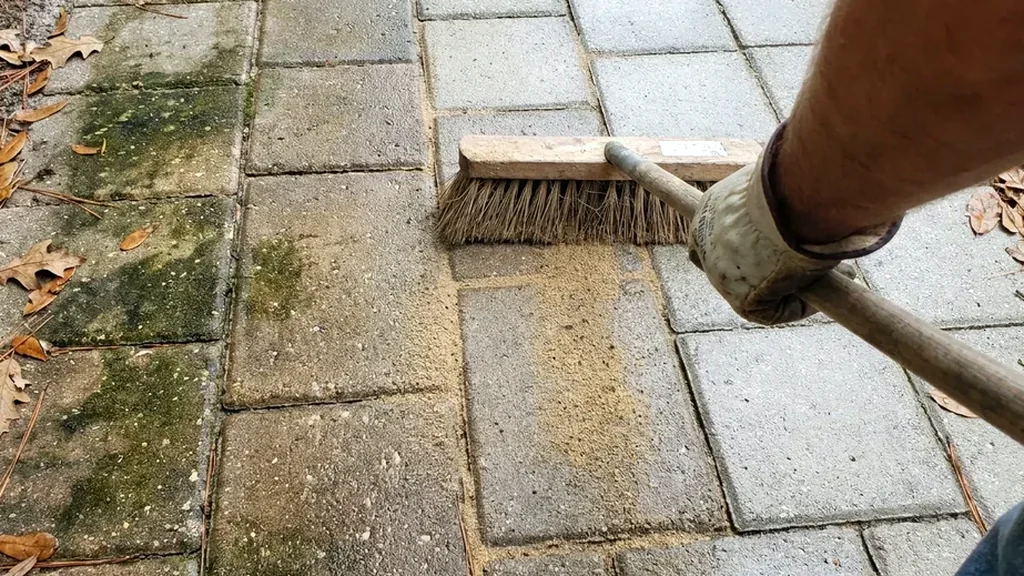
The city says flooding can come from ordinary rain at high tide, and a Flagler College report says king tides now flood some streets with no storm at all. Riberia Street once flooded badly enough that the city closed it. Pavers that sit in that water collect silt and lose joint sand. They need a full wash and fresh sand before any sealer goes on. The city adds that some local soils drain poorly and some pipes are too small for today's needs. That means low corners can stay wet for days, so the contractor checks them before setting a date.
Play sand in the joints
A St. Augustine paver company says most local installs were filled with play sand because it is cheap. Play sand washes out in summer storms and sprinkler cycles, and dirt and weeds fill the gaps. Replacing it during the job helps the joints hold. Ask the contractor what sand they plan to use. Proper joint sand packs tighter and holds better once it is sealed. It also keeps ants from moving into the gaps.
Coquina and old stone beside the pavers
Coquina, a shell stone, was quarried for the Castillo de San Marcos, and natural stone still shows up around older homes. One Jacksonville company makes a penetrating finish for coquina and travertine that lets the stone breathe. Another says natural stone and brick are more porous and need different sealer. A one-size coat can be the wrong choice on a mixed surface. Point out every kind of stone near your pavers at the first visit. The contractor can then choose a product for each area instead of one for all.
Green side yards and north patios
The same local company says shade and humidity grow algae on side yards and north-facing patios on most lots in the county. Older districts with close-set homes can keep those strips in shade much of the day. Moss and algae rarely take hold on pavers without heavy shade. Those spots get the most cleaning time. A sealed surface rinses clean more easily, which helps keep these strips from going green so fast. Cutting back plants that crowd the walk can also let in more sun.
Rules in a historic district
The city requires a Certificate of Appropriateness for most work in its five historic preservation districts. Its page lists site work in the fee schedule but does not mention paving or driveways by name. Before replacing pavers or changing a look in a district like Nelmar Terrace or Lincolnville, check with city staff. Sealing that keeps the look the same may be simpler, but it is worth asking. The city's GIS map shows which district your home is in. Knowing that before the estimate keeps the plan simple.
Do paver jobs differ between St. Augustine's historic districts?
Yes, since each district was built in a different era with its own style. Nelmar Terrace, re-platted in 1913, was sold with some of the city's biggest lots and deed rules on design. Its homes include Spanish Revival, Tudor and Craftsman styles, often with courtyards and walks. Tell the contractor your district when you request your free estimate.
Fullerwood Park sits east of San Marco Avenue, and its eastern edge curves along tidal marshes and Hospital Creek. Most homes there are one- and two-story Colonial Revival and Bungalow houses. Lots near the marsh may stay damp longer after a high tide. Call (904) 747-6756 and say whether your home backs up to the creek or the marsh.
Lincolnville and Abbott Tract were among the areas Hurricane Matthew flooded in 2016, and Irma hit many of the same places a year later. Pavers in those neighborhoods may have been under water more than once. A contractor will want to check for settling and lost sand before sealing. If your home is in one of these areas, request your free estimate and mention past flooding.
What does paver sealing cost in St. Augustine?
Expect a St. Augustine bid to fall within $1.75 to $3.25 per square foot, the regional figure companies post for clean, sand and seal. In St. Augustine, silt from high water, play sand that must come out and failed sealer push a job toward the top. A St. Augustine drive that is flat and still full of sand stays near the bottom of the range. Call (904) 747-6756 for a free price for your pavers.
Access and stone add their own costs. Gates, tight side yards and furniture that needs moving all count, a local company says. Natural stone may need a different sealer than concrete pavers. Ask for each surface and product to be named on the written quote when you request your free estimate.
| Paved area | Typical example | Clean, sand and seal |
|---|---|---|
| 300 sq ft | Small patio or walkway | $525 to $975 |
| 600 sq ft | Two car driveway | $1,050 to $1,950 |
| 1,000 sq ft | Large driveway or pool deck | $1,750 to $3,250 |
| 1,500 sq ft | Driveway plus pool deck | $2,625 to $4,875 |
Math based on the $1.75 to $3.25 per square foot that Northeast Florida paver companies published as of November 2026. Your contractor sets the actual price after seeing the surface. Repairs, leveling and stripping failed sealer are usually extra.
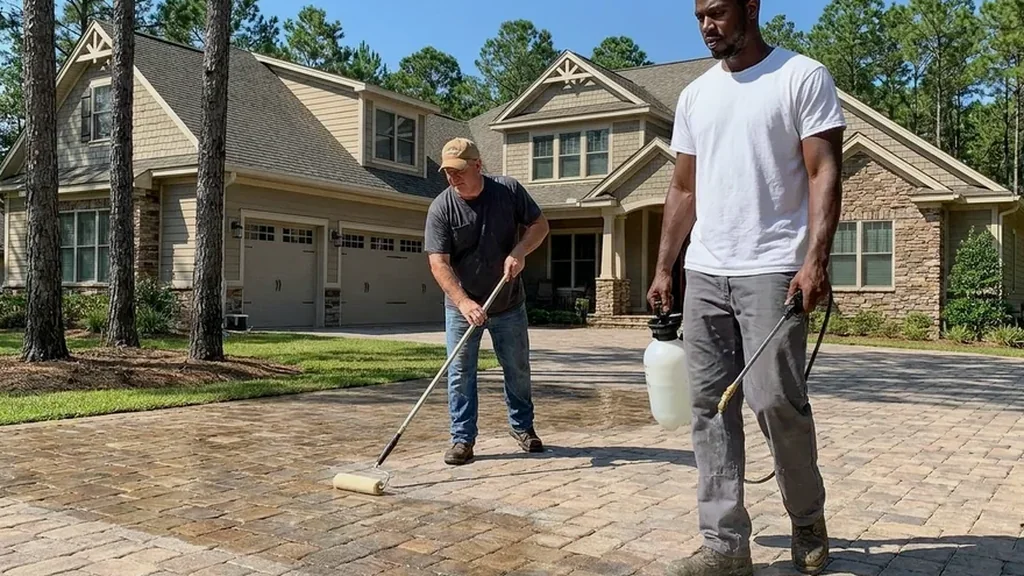
How does a paver sealing job work in St. Augustine?
Look at the stone, the slope and the tides
The contractor checks what each surface is made of and where water sits after a high tide or storm. Sunken spots get marked for repair, since sealing preserves any dip. The old coat gets tested, because water-based sealer cannot go over solvent-based. In a historic district, it helps to confirm any city rules before work starts. Tell the contractor about any high water you remember on your street.
Wash off silt, algae and grime
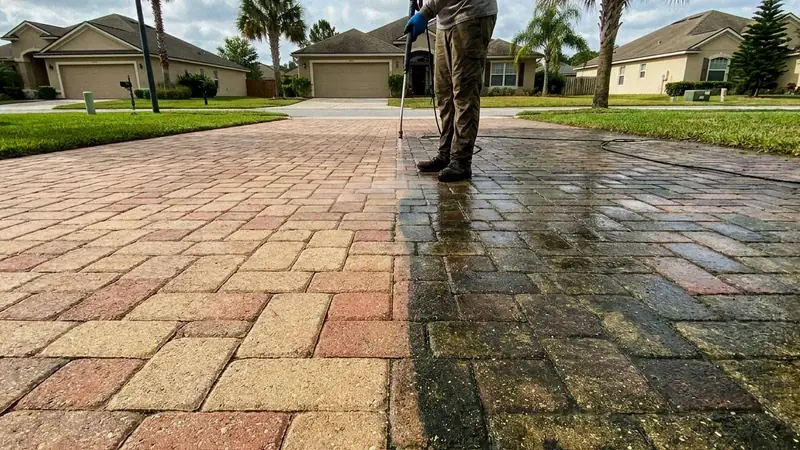
A careful wash removes silt left by high water and algae from shaded side yards. Coquina and older stone get gentler treatment than concrete pavers. Oil and rust spots are pre-treated where needed. Rinse water is kept off plantings and out of any pool. Furniture and planters come off the courtyard before the wash starts.
Swap out the play sand
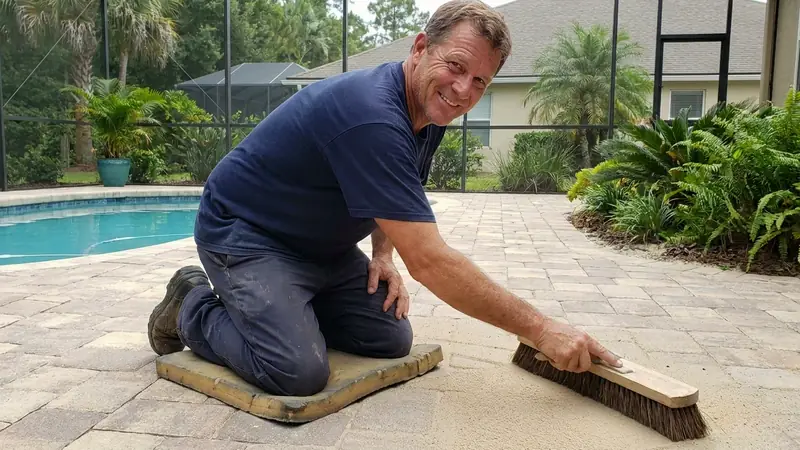
Washing pulls out the old joint sand, which is often play sand on local installs. New joint sand goes in and is swept until the gaps are full. Tight joints hold pavers in place and leave weeds less room. On a courtyard that has gone years without care, this step takes time. The edges get checked too, since a loose border lets sand slip away.
Dry out between tides and storms
A coat laid on damp pavers can cloud over, so St. Augustine pavers must be fully dry first. Low streets that flood at king tide may need extra drying time. Shaded courtyards and north patios dry last. A careful contractor checks the tide and the forecast before spraying. Sprinklers should stay off around the job as well.
Apply the sealer that fits each surface
Concrete pavers get the matte or wet look you chose, sprayed and back-rolled. Coquina and other natural stone get a penetrating finish that lets the stone breathe. People can walk on it in a few hours, and the car waits a day. Most companies quote two to five years until the next St. Augustine coat. Ask for the product names in writing so the next coat can match.
Complete paver services in St. Augustine
A St. Augustine job moves through cleaning, sanding, drying and sealing. Silt from high water, algae from shade and old play sand all come out first. Fresh joint sand goes in and gets swept tight. To learn how many days your courtyard needs, call (904) 747-6756.
Driveways take tires and street water, courtyards stay shaded, and pool decks need grip. Coquina and other natural stone need a penetrating sealer rather than a surface film. Concrete pavers can take either matte or a wet look. Mention every material on site when you request your free estimate.
Choosing a sealer starts with what is already there, since water-based sealer cannot go over solvent-based. A later switch in finish would mean stripping first. A wet look deepens color but shows scuffs sooner than matte. Go over the stone and the pavers together by calling (904) 747-6756.
The wet season here runs from May through October, and winter is the driest stretch. Sealer needs a dry surface, so king tides and rain both matter on low streets. One Jacksonville company suggests fall, after hurricane season, as a good time to seal. Check the calendar against the tides when you request your free estimate.
Questions to ask before you hire
- How do you keep overspray off my plants, my pool and the house?
- Would you seal a small patch first so I can see the result?
- Can I choose between a wet look and a natural finish?
- What will you do if the sealer leaves a white haze?
- How is payment split between the start and the finish?
- Does the number you quoted cover washing, re-sanding and fixing loose pavers?
- When should I turn the irrigation off, and when can it come back on?
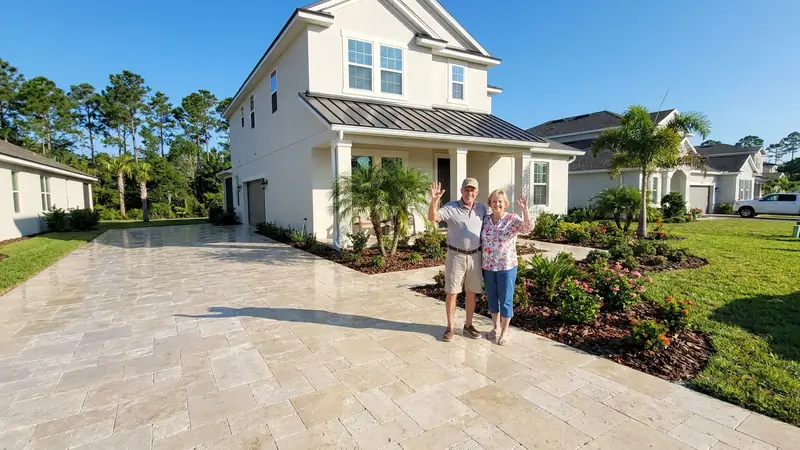
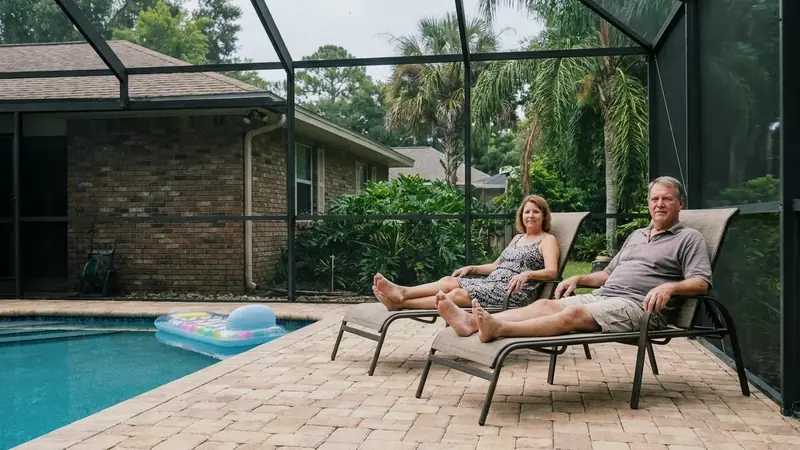
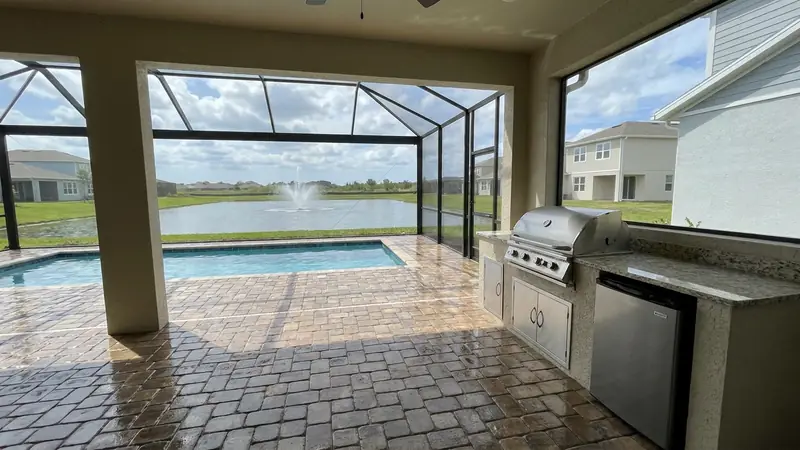
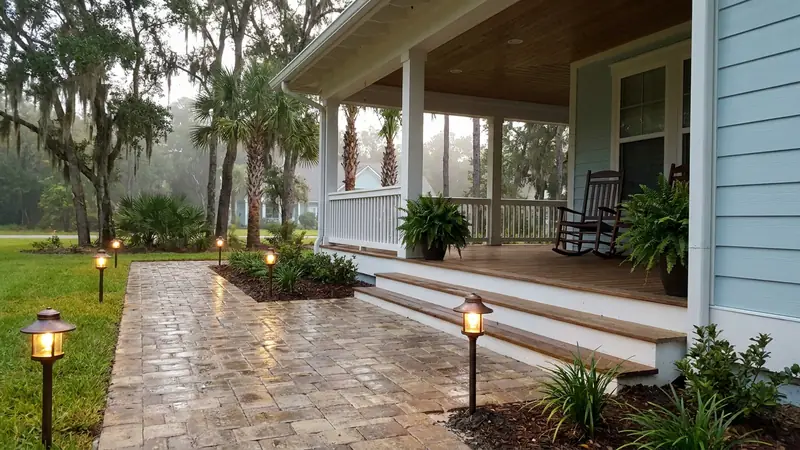
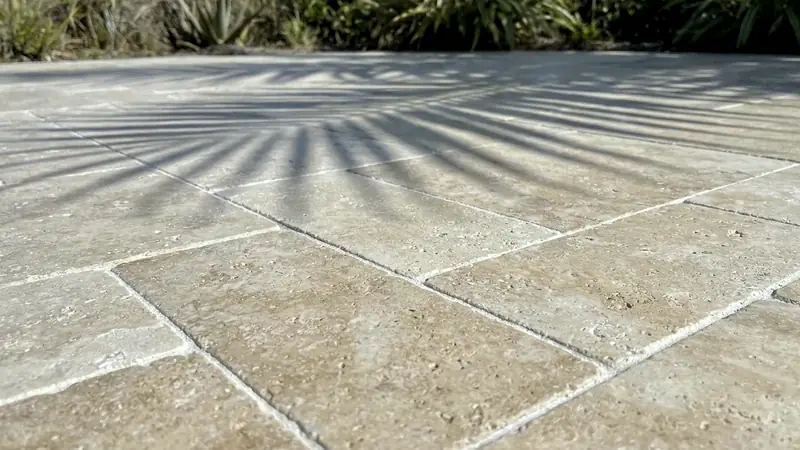
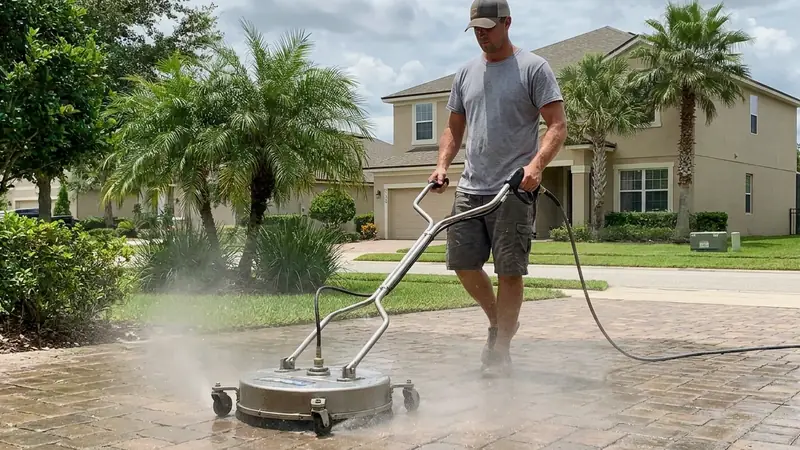
What do sealed pavers look like around St. Augustine?
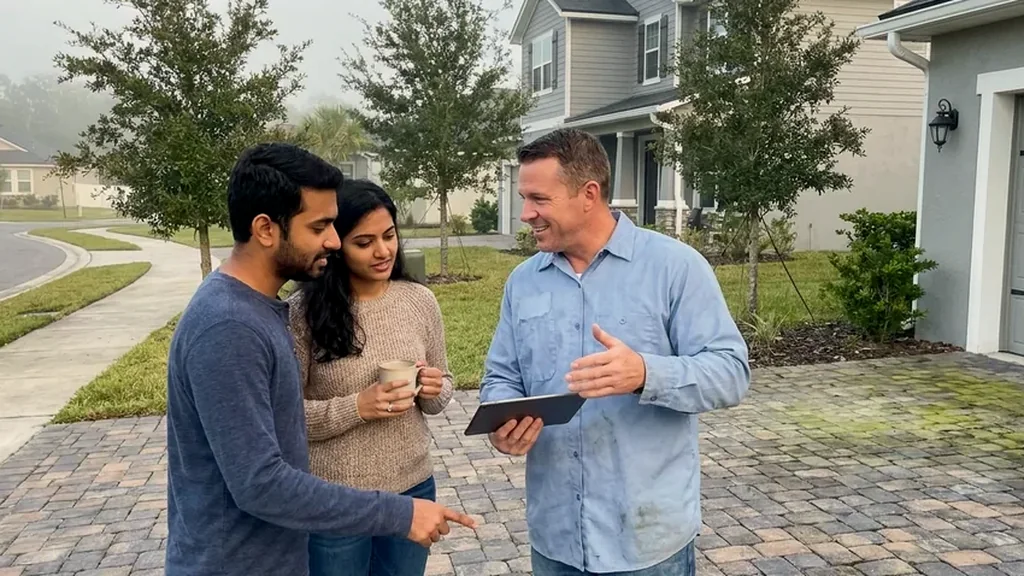
Why local matters in St. Augustine
Here the water can rise from a normal rain at high tide, not only a hurricane. That decides when cleaning can happen and how long the pavers need to dry. It also means silt and lost sand get checked first, so call (904) 747-6756 and ask how tides fit the schedule.
Old stone is common around older homes. Coquina, travertine and older brick each call for something other than a concrete paver sealer, and the wrong one can trap moisture or leave a film. Point out any stone when you request your free estimate.
Historic districts are the other piece. A contractor who knows the city will tell you to check the Certificate of Appropriateness rules before changing pavers in a district. That step can save a headache later. Inside one of the five districts, request your free estimate after you check.
Which St. Augustine landmarks help a contractor place my home?
Downtown landmarks like the Castillo de San Marcos, Flagler College and the Cathedral Basilica make a home easy to place. North of downtown, San Marco Avenue leads past the Florida School for the Deaf and Blind toward Nelmar Terrace and Fullerwood Park. The Bridge of Lions links the city to the island across Matanzas Bay. Name the closest one when you call (904) 747-6756.
Water shapes the map as much as the old streets. Maria Sanchez Lake sits near Lincolnville, Hospital Creek borders Fullerwood Park, and the San Sebastian River runs along the west side of downtown. About 90 percent of residents live in a floodplain, the city says. Living near one of them, you can request your free estimate at no charge.
Frequently Asked Questions
Why is paver sealing so expensive in St. Augustine?
Labor and prep drive the price. Each surface gets washed, given new joint sand and dried out before any coat, and failed sealer or play sand may need to come out first. Northeast Florida companies commonly publish $1.75 to $3.25 per square foot for the full job. A single small courtyard can cost more per foot, since setting up takes the same effort.
Is it a good idea to pressure wash pavers in St. Augustine?
Yes, when the pressure suits the surface and new sand follows. Washing pulls sand from the joints, so it has to be replaced before sealing. Coquina and other soft stone need a gentler hand than concrete pavers. Too much pressure can scar the surface or chip older edges. Ask what tool and pressure the contractor plans to use.
How long does sealer last on pavers in St. Augustine, Florida?
St. Augustine owners can plan on two to five years between coats, the usual quote. Sunny drives and pavers that sit in high water usually need it sooner. A splash test helps: beading means the coat holds, and soaking in means it is done. Driveways also tend to wear faster than patios, so a drive may need a coat first.
Is it better to spray or roll paver sealer in St. Augustine?
The usual method is a sprayed coat followed by a back-roller. Spraying gives even coverage, and rolling works sealer into the joints, one Jacksonville company says. Using only a roller risks lap marks, while only spraying can flood the surface. Most white or cloudy coats trace back to damp pavers or too much product.
Can coquina be sealed like concrete pavers?
No, coquina and other natural stone need a different product. One Jacksonville company makes a penetrating finish for coquina and travertine that soaks in and lets the stone breathe. Ask the contractor to name the sealer for each surface. Mixing the wrong products can trap moisture in the stone.
Do I need city approval to work on pavers in a St. Augustine historic district?
It depends on the work, so ask city staff first. The city requires a Certificate of Appropriateness for most work in its five historic preservation districts. Its page does not name paving or driveways, so a quick check is the safe move. The city's GIS map shows which district your home is in.
How soon after a king tide can my pavers be sealed?
Sealing can start once the silt is gone and the pavers have dried out. High water leaves silt and pulls sand from the joints, so both get handled first. Low streets may need a few dry days in a row. A contractor can check the joints for settling at the same visit.
What sand should go in St. Augustine paver joints?
Proper joint sand, not play sand. A local paver company says most installs here were filled with play sand, which washes out in storms and sprinkler cycles. Ask the contractor what sand they use before the job starts. Sealing the joints after the sand is packed helps hold it in place.
When is a good time of year to seal pavers in St. Augustine?
Winter and fall are often the easiest, since winter is the city's driest stretch. One Jacksonville company suggests sealing in fall, after hurricane season. Summer storms and king tides can push a date back on low streets.
Will sealing fix pavers that sank after flooding?
No, sunken pavers need repair before sealing. Whatever is under the coat stays that way, one Jacksonville company warns. After a flood, ask the contractor to reset low spots before any coat goes down.
Ready for a Free Estimate in St. Augustine?
Call (904) 747-6756 and tell us about your pavers.
Free, no obligation